
The build begins before the rare summon
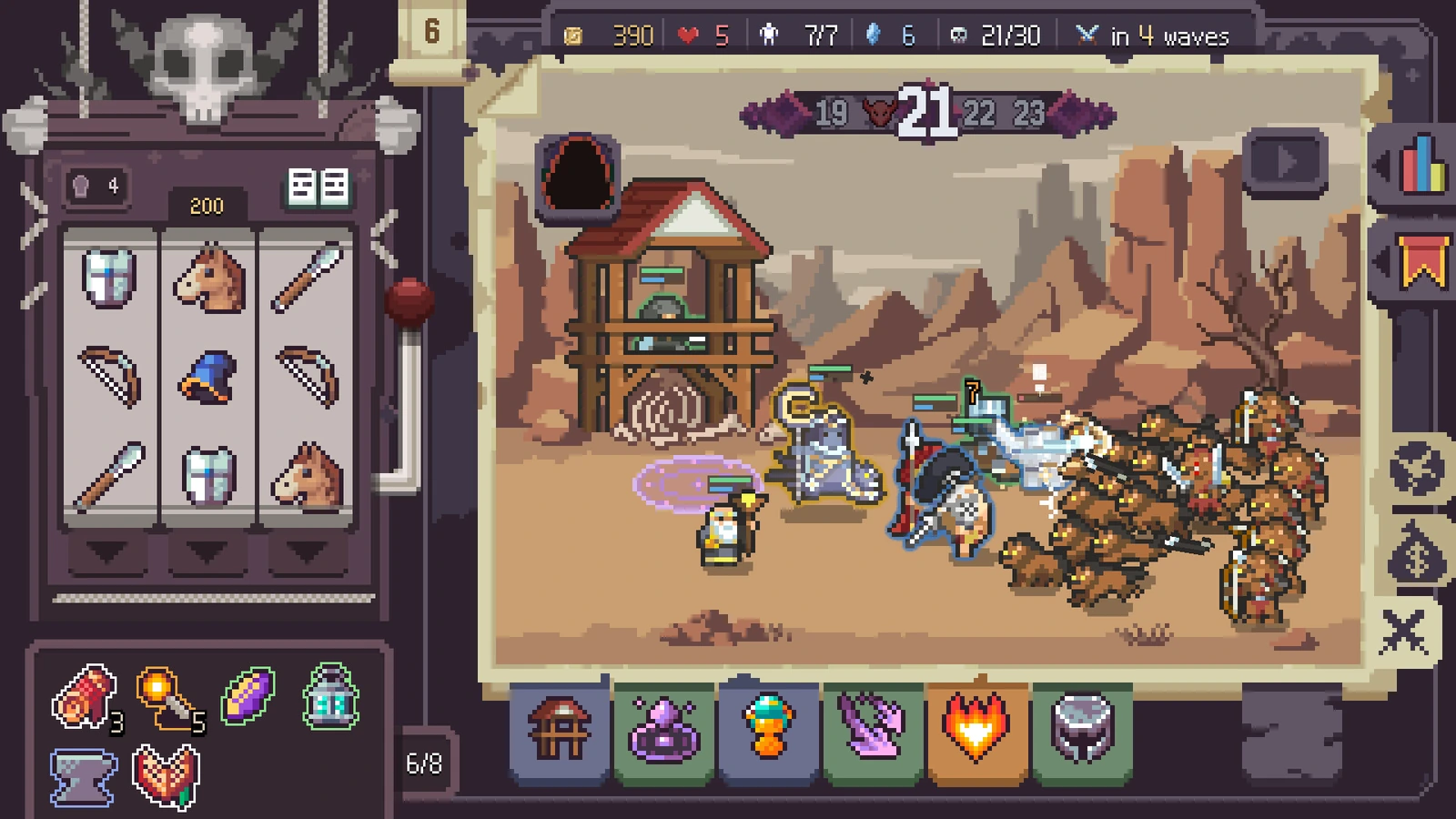
Start with units that can carry the present wave. The annotated example develops a Forest army long before Jester arrives, using ordinary offers and a chosen recipient rather than leaving the team unfinished. That is the repeatable part of the plan: the army must function while the rare branch remains only a possibility.
Keep a fallback goal for every stage. If Jester does not appear, continue improving the useful recipients and faction connections already present. The example does not prove the same ending without the rare unit, but it does show why waiting passively is a poor preparation strategy.
Build diversity that still earns its place
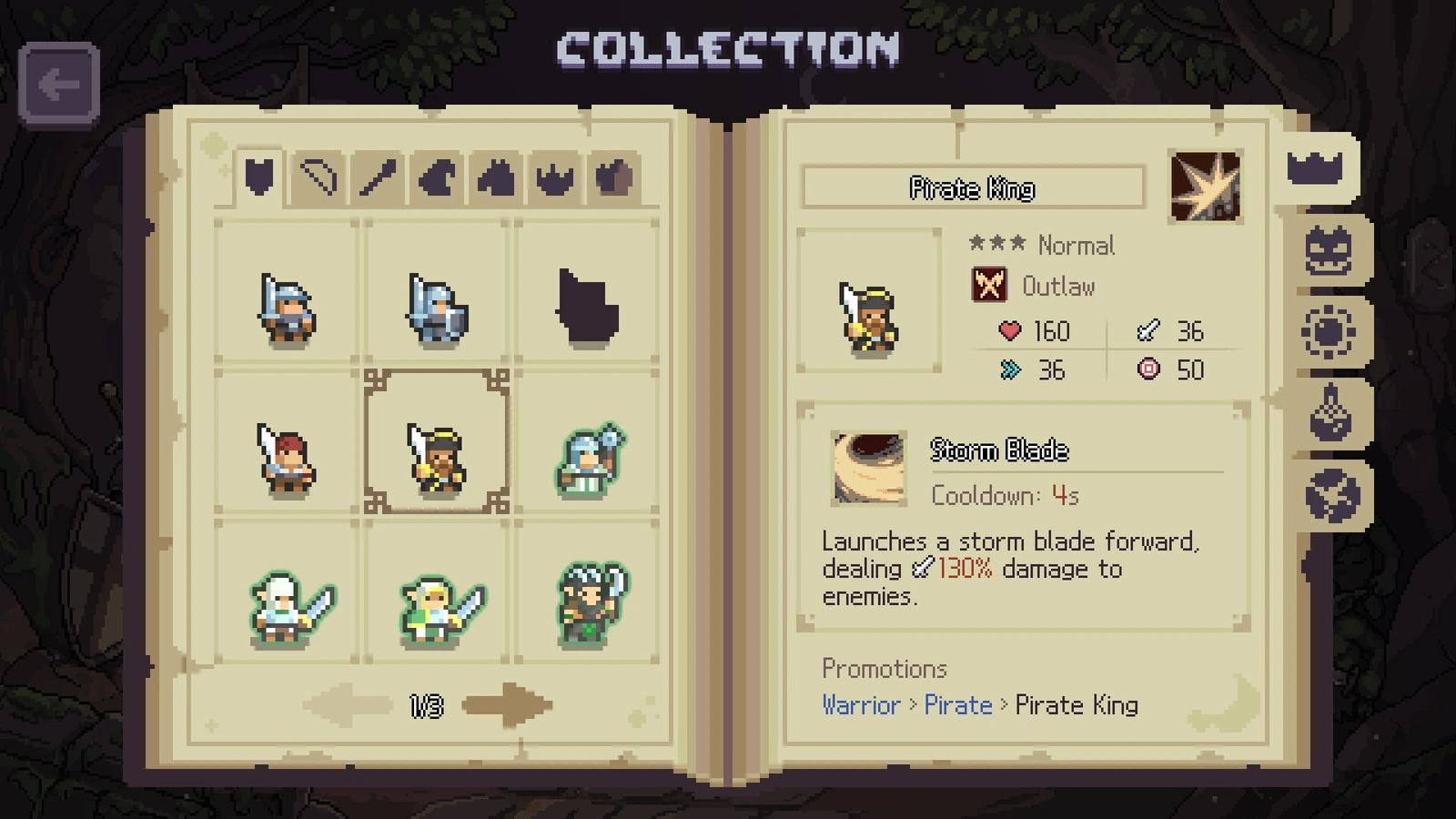
Count different Forest types and read the current faction counter. The recorded group includes High Elf, Elf Cavalry, Elf Knight and Elf Infantry at a later point. Identical extra copies do not automatically raise the same distinct-type threshold. Preserve contributors rather than keeping every unit merely because its name belongs to the faction.
Grow a main recipient alongside that diversity. An economy-bearing Elf Archer with Bounty is one recorded choice before a High Elf promotion; it is not a guaranteed trait on every Archer or a requirement to reject all other useful offers. Build from what your actual run supplies.
Use the real Jester branch when it opens
After Jester is summoned, compare its first class choices. The recorded support path takes Ferret Tamer and later Ringmaster. Repeated Ringmaster candidate names are variations of the class, so their traits and skill details still need reading. The progress bar shown by that recipient decides when the choice is ready.
Avoid turning the rare summon into permission to consume the entire team. Pick donors whose loss is acceptable and keep the allies you want supported. A class route can be correct while the resulting army composition is worse because the transition removed too much of its working structure.
Compare Courier and Express by their actual jobs
In the recorded candidate text, Ferret Courier advances one ally’s remaining skill cooldown, while Ferret Express can reach up to two. The reference gives the same two-second reduction but different own-skill cooldowns. The practical comparison is target coverage and the skills your army gives those deliveries to improve.
Do not evaluate the support solely by its personal damage number. Ask which ally skill would happen sooner, whether that ally is still present and whether it has a useful target when the time arrives. If no relevant ally remains, the support connection you wanted may have disappeared.
Make awakening serve the same army goal
Ringmaster’s documented awakening checkpoints are 30, 60 and 100 in the 0.4-era reference. A level conversion can pass a checkpoint and finish above it. Use the actual gain and highest choice already selected to find the next meaningful decision instead of borrowing the result level from a screenshot.
Extra Delivery is a recorded first-awakening option for broader support. Its additional effect is described as reduced relative to the original delivery. Inspect the current alternatives and choose for the army’s purpose; a wider support option matters only if there is another ally worth helping.
Check the finished connections before the last fight
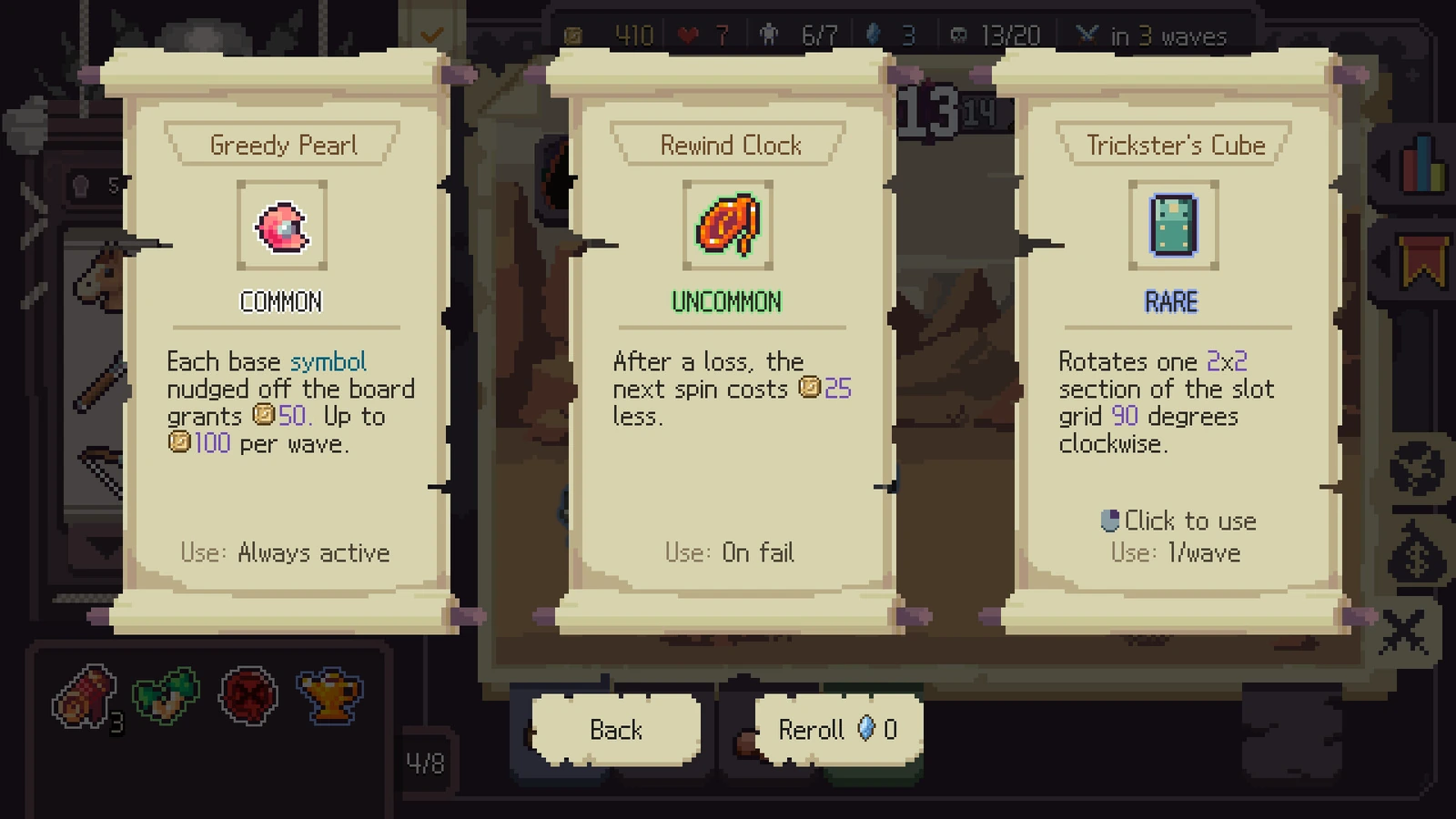
A faction recovery trigger, support delivery and targeting item each has conditions. Inspect them separately before starting the next boss. The Hunting Mask example is a useful reminder that the intended highest-attack ally interaction can fail when the target relationship is out of range. A named item is not a complete placement instruction.
Our A placement applies to the clear team job after the required pieces are available. It is not a guaranteed-win recipe or a claim that a first-run account can reproduce the recorded army. Use the same checklist to evaluate the offers you actually receive, and change one broken connection after a loss.
THE NEXT USEFUL CHECK
Before the next choice.
Page-only preparation checks. Reloading clears these ticks.QUICK ANSWERS
One more useful detail.
Should I feed every unit into Ringmaster?
That can remove the allies the support route is intended to help. Compare the donor’s army role with the recipient’s gain instead.
Is the recorded Forest/Jester result a guaranteed clear?
No. It is one developed-character run, and its annotated ending includes a reported result anomaly. We use the decisions as evidence, not as a stable win-rate test.
THE SOURCE DESK / DEMO 0.4.1 CONTEXT
The reference behind
the next decision.
The publisher establishes the demo systems and updates. Detailed unit and effect examples are attributed 0.4-era observations. Our build plans and tier letters are editorial learning advice, with no claimed playtest or damage benchmark.
Open the references and their scope
- PublisherDemo 0.4.0 — The Jester Arrives ↗
Jester, Deep Cave through Normal, faction beta, Awakening, item rework, controls and planned Early Access.
- Player recordingDabble — Jester and Ringmaster playthrough, 9 October 2026 ↗
A developed-character 0.4-era Open Forest Hard run. Exact running build not visible; observations are not a fresh-save test or guaranteed result.
- Independent guideSlotbound Hub — faction unlock and Forest tooltip ↗
Forest distinct-type thresholds and an attribution boundary between developer and player advice.
- Independent guideSlotbound Hub — Ferret Tamer reference ↗
A recorded Courier tooltip, its target count and route to Ringmaster.
- Independent guideSlotbound Hub — Ringmaster reference ↗
Recorded Ferret Express and Extra Delivery descriptions, not all possible awakening choices.