
THE COBALT TAKE
Our take: Sinister Strike is a clear core for learning how the Rogue’s extra-hit effects fit together. Build a repeatable damage package first; do not turn the class’s fragile identity into a reason to accept every dangerous contact.
Desktop 0.111.0 + 0.130.0 checked. Reviewed 30 October 2026. All 44 displayed talents and 102 class abilities match across the installed client and the current original desktop release. Build priorities are our recommendations; exact ranks and offered amulet effects should be read in your client. Evidence & version scope →
The build in four decisions.
Learn it in the run, or check whether an unlocked talent starts you with it.
Better level-up rarity odds, when the current clear can afford the choice.
Look for the legendary remake of this spell in a jewelry offer.
Read its effect. A repeated offer of the worn amulet can empower it.
BEFORE YOU START THE RUN
Give the plan a starting point.
Prepare a Combat direction between runs
The permanent talent interface is an armory system with free respecs. Improved Sinister Strike, Blade Flurry, Aggression and Killing Spree provide a coherent set of descriptions to inspect for this plan. That is a list of relevant effects, not a claim that an unexplored point budget fits every desirable milestone at once. Read the actual prerequisites before committing.
Keep the equipment goal tied to the chosen strike
Write down what the current amulet contributes before planning its replacement. A legendary effect belongs in this build because it supports the verified core interaction, not because its name sounds like a famous Rogue item. Generic legendary names in the English dictionary do not establish their spell mapping, so use the client’s codex or offered tooltip for that decision.
FOCUS THE CHOICES YOU ACTUALLY SEE
Sinister Strike upgrade priorities
Read these in the context of your current clear. They are conditional priorities rather than a numeric stat weight or a fixed card sequence.
YOUR NEXT CHOICE
What should I take now?
An editorial helper for Sinister Strike. Compare the actual cards in your client.
Learn your build’s core spell
Take the core ability when it is offered, or use a verified starting-spell talent you already have. The client describes knowing the spell as a condition for its legendary amulet offer.
Changes stay on this page. No game save, account or upload.
Develop Sinister Strike’s ordinary damage
The localized Rogue section explicitly contains a Sinister Strike damage improvement. Improving the ability your plan is built around gives a clear question to ask of each offer: does this strengthen the working core, repair a survival problem, or merely introduce another unfinished direction? Judge the actual offered value, not rarity alone.
Use Blade Flurry’s actual interaction
In this client the milestone spreads Sinister Strike and Eviscerate hits to nearby additional enemies. It is not a reason to import the cooldown or weapon rules of another game. It rewards having relevant targets near each other, while the Rogue still needs a route out of the pressure that gathering enemies can create.
Add support for the attacks you really have
Aggression supports both Sinister Strike and Eviscerate. Killing Spree adds an automatic Sinister Strike and an additional-target component. Consider these descriptions together when planning the permanent build, but keep an unlearned finisher or an unavailable capstone out of the current run’s assumed damage.
Keep opening Luck conditional
Luck is documented as improving rarity odds for level-up upgrades. That can support an early investment when the current Rogue already handles the encounter. It is not evidence that an underpowered run should keep deferring damage and safety, or that a jewelry cache will necessarily produce the intended legendary.
BUILD CONNECTIONS
Talents that support the idea.
Inspect the synergies, then compare them with the Armory’s Talents tab between runs. The recorded client describes milestones at 10, 20 and 30 points. Exact ranks and tunable values must be read in your client.
WHY IT MATTERS
Improved Sinister Strike
Supports the named core’s damage. The placeholder does not supply a verified per-rank percentage.
Hover or focus a talent on desktop; tap on mobile. This is a synergy reference. Node order is a reading order, not a point allocation or an unlock tree.
FROM FIRST PICKS TO A FINISHED ENGINE
Your run plan.
Before the run
Choose a primary interaction
Decide whether this is the Sinister Strike Combat plan or a different Rogue direction. The dictionary also contains poison and Backstab-focused effects, but their existence does not make them prerequisites here. Check the selected permanent setup and keep the build’s intended attack visible.
Opening
Give the next upgrade a job
Develop the core while you still have room to learn the encounter. A useful defensive or movement choice can protect further progress; an unrelated attack may create another upgrade demand. Decide which actual weakness the next pick resolves instead of collecting several half-developed ideas.
Developing
Make nearby-target damage repay its risk
When Blade Flurry is part of the learned setup, its Sinister Strike and Eviscerate interaction gives clustered enemies a purpose. Keep an escape space and reassess when stronger enemies arrive. Extra targets are valuable only while the Rogue can remain alive long enough to deliver the repeated attacks.
Jewelry decision
Compare the whole replacement
Confirm that the hero knows the spell required by a proposed legendary remake. Then compare its actual effect against the opening amulet’s lost utility. A build-specific replacement can be sensible after the core exists, but neither a fixed swap level nor a particular item-name mapping is established by this evidence.
Before taking a jewelry offer
Other Rogue spells recorded in this build
11 class spell IDs found in this desktop snapshot. This list establishes membership, not unlock order or the need to take every spell.
Keep the build focused.
Assuming every Rogue talent with a familiar name has its WoW effect.
Counting Eviscerate support as present when the relevant ability or interaction is unavailable.
Collecting more nearby enemies than the current survival package can handle.
Calling a Luck investment mandatory before examining whether the core is functioning.
QUICK ANSWERS
Rogue build questions
Is this also a Backstab or poison guide? +
No. Those are different directions with different support. This page develops Sinister Strike and names alternatives without treating them as compulsory additions.
Should I replace the opening necklace as soon as I see legendary rarity? +
Read the required spell, actual remake and lost effect first. Rarity alone does not answer whether that replacement helps this build.
REVIEWED, THEN WRITTEN IN OUR OWN WORDS
Sources & version scope.
These recommendations are original analysis of the installed Aethus client, with the published mechanics cross-checked against the original 0.130.0 release. We have not benchmarked these nine builds against one another. The recorded client’s tooltips establish the named mechanics; they do not establish a current-patch tier list, exact legendary odds or a complete numeric talent allocation.
Read-only review of class IDs, ability names and native talent/codex descriptions, cross-checked with the current 0.130.0 release. See the method, verified facts and limits.
Aethus · original project ↗Use the original launcher for current game access, Windows downloads and the developer’s community links.
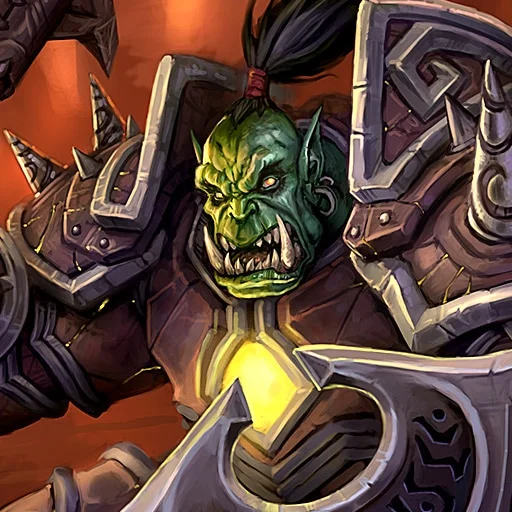
Talent icons follow the recorded native icon IDs (art © Blizzard Entertainment; CDN references in the About credits). Class portrait: illustrative official Warcraft artwork © Blizzard Entertainment. Choice panels on this page are Cobalt’s own guide interface, not screenshots of the game’s upgrade menu.