
THE COBALT TAKE · EDITORIAL ASSESSMENT
Our take: treat casting space as the resource you protect. A balanced pressure-and-escape plan is a better starting point than a stationary burst screenshot.
PRE-LAUNCH GUIDE Source reviewed 30 October 2026. Forever launches 4 November. Talent data is versioned; balance and gearing advice remain provisional.

The interaction to inspect before deciding how to combine Wrath and Starfire.

The recognizable caster form, with a group-support decision attached.
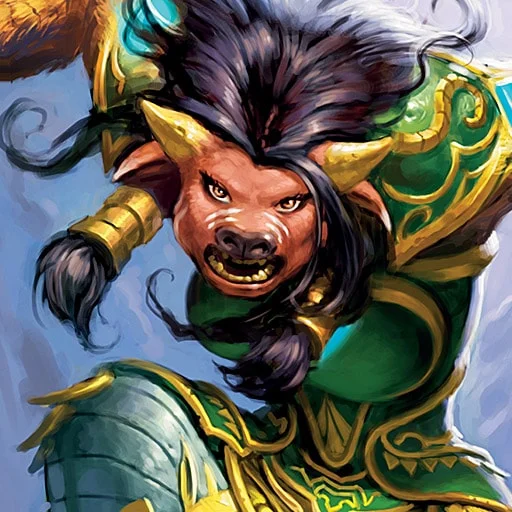
A control tool that can buy casting room rather than merely more damage.
YOUR BUILD, YOUR DECISIONS
Druid talent planner
Explore all three trees with the recorded ranks, positions and prerequisites. Plan a build alongside the guide; an empty planner is not a recommended or simulated allocation.
Balance
0 points16 talents · 5 points unlock each next row
Feral Combat
0 points20 talents · 5 points unlock each next row
Restoration
0 points16 talents · 5 points unlock each next row

Improved Wrath
Rank 0Choose a talent to inspect its requirements.
Read rank effects in the beta reference ↗Click or tap to add. Right-click, Shift-click or press Minus to remove. Tier and prerequisite rules are checked before a change. Undo also restores the previous level.
Start with the first row, then open the talents your plan needs.
Talent data & scope
Functional tree data: ArenaMaster 1.60.1.70532 snapshot, retrieved 2026-10-30. Grid positions and ranks were cross-checked against Eternadex. Later snapshots can differ; this planner retains its stated version. Off-grid legacy entries are excluded from the visible tree. Our planner code and guide text are original. Full in-game effect text opens at the reference.
Win through space and useful pressure
Your first question in a skirmish is whether you can cast safely, not which spell produces the largest possible number. Pick terrain that lets you retreat toward allies and see approaching melee. A long cast becomes a commitment when an opponent has not spent their interrupt or movement tool.
We favor a patient plan for early battleground learning: contribute pressure from a defensible angle, notice when the enemy turns toward you and leave before the position becomes a trap. These are editorial priorities rather than a tested matchup tier list.
Choose talents around the fight you expect
Use the current Balance tree to compare damage, cast reliability and control. The documented spell kit includes Roots and periodic pressure; neither justifies standing in an exposed location. Points that help establish a second safe cast can be more useful than a theoretical increase during an uninterrupted sequence.
For a flexible allocation, explain the trade in a sentence: what damage opportunity are you giving up, and which problem can you now answer? Keep a separate record for organized group play and solo travel rather than assuming one arrangement serves both equally well.
Build an opening with an exit
Before applying pressure, identify a route back to your group and decide which opponent needs to be controlled. Avoid spreading effects without a purpose: your team may want one enemy untouched for a breakable control effect. Establish only the pressure you can maintain while preserving an escape option.
When you gain a casting window, use the actual Wrath-and-Starfire interaction available in your build. When that window closes, stop pretending the opponent will politely allow the next cast. Reposition, help an ally or create space, then look for another opportunity.
Survival: keep more than one answer
Do not spend every movement, control and healing option in response to the first small attack. Identify whether the enemy is threatening a real kill or simply asking you to panic. Use a response that solves the immediate problem while leaving a second answer for the follow-up.
Changing form and helping yourself can disrupt your own casting plan, so decide before you are nearly defeated. Track mana as well as health. A retreat that consumes the rest of your resources can leave you physically safe but unable to contribute when your team needs you.
PvP preparation and equipment choices
Keep health, useful caster throughput and sustainable resources in the same conversation. An upgrade that looks attractive for a protected raid position may be uncomfortable while enemy players focus you. We would first build a set that lets you survive ordinary pressure long enough to use your utility.
Check current racial descriptions and profession rules before investing heavily. This guide does not claim a solved launch race or a mandatory profession. In your own games, record the actual failure: interrupted healing, lost line of sight, exhausted mana or getting isolated.
Play the objective rather than the damage total
Guarding a route, delaying a pursuer or protecting your healer can matter more than extending a fight in the middle of nowhere. Keep looking at where your group is trying to go. If your pressure forces enemies away from that task, you are already doing useful work.
Common errors include following a retreating target beyond help, refreshing effects into control and spending a defensive only after the enemy's burst has landed. Review one engagement at a time and identify the earliest decision that made the later emergency unavoidable.
QUICK ANSWERS
Balance Druid questions
Does this guide assume rated arenas exist in Forever? +
No. The advice is framed around world PvP and battleground preparation. It does not import an arena composition or bracket ranking from another WoW version.
Is pure damage gear always better? +
No. Judge whether your equipment lets you remain alive and active under the pressure you actually face.
EVIDENCE BEHIND THE GUIDE
Sources & review
Reviewed 30 October 2026. Our text and recommendations are original editorial analysis of these references. The planner is a versioned data snapshot; a later beta change can alter a recommendation.
Spec mechanics and preparation; distinguish leveling variants from level-60 projections.
Reviewed 2026-10-30 · Open source ↗Class identity and broad changes; October 13 overview can lag later beta revisions.
Reviewed 2026-10-30 · Open source ↗Talent-tree structure and build context. Its starter recommendations cite an older beta build, not proven launch optimization.
Reviewed 2026-10-30 · Open source ↗