
THE COBALT TAKE · EDITORIAL ASSESSMENT
Our take: choose Balance for a deliberate caster-and-support role. We would learn clean casting windows before chasing a prelaunch best-in-slot list.
PRE-LAUNCH GUIDE Source reviewed 30 October 2026. Forever launches 4 November. Talent data is versioned; balance and gearing advice remain provisional.

The interaction to inspect before deciding how to combine Wrath and Starfire.

The recognizable caster form, with a group-support decision attached.
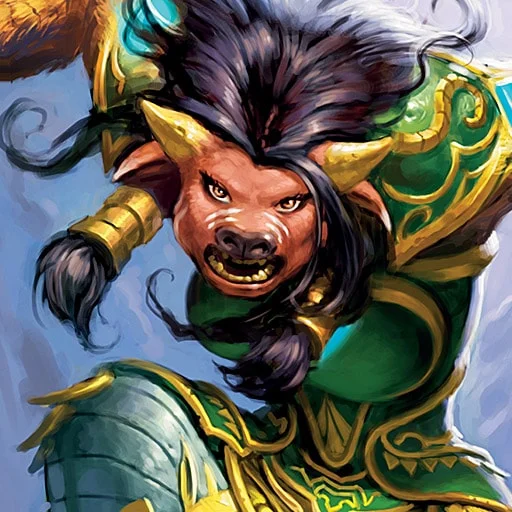
A control tool that can buy casting room rather than merely more damage.
YOUR BUILD, YOUR DECISIONS
Druid talent planner
Explore all three trees with the recorded ranks, positions and prerequisites. Plan a build alongside the guide; an empty planner is not a recommended or simulated allocation.
Balance
0 points16 talents · 5 points unlock each next row
Feral Combat
0 points20 talents · 5 points unlock each next row
Restoration
0 points16 talents · 5 points unlock each next row

Improved Wrath
Rank 0Choose a talent to inspect its requirements.
Read rank effects in the beta reference ↗Click or tap to add. Right-click, Shift-click or press Minus to remove. Tier and prerequisite rules are checked before a change. Undo also restores the previous level.
Start with the first row, then open the talents your plan needs.
Talent data & scope
Functional tree data: ArenaMaster 1.60.1.70532 snapshot, retrieved 2026-10-30. Grid positions and ranks were cross-checked against Eternadex. Later snapshots can differ; this planner retains its stated version. Off-grid legacy entries are excluded from the visible tree. Our planner code and guide text are original. Full in-game effect text opens at the reference.
The Balance game plan
Balance works best when you know where your next cast will finish. Think about the encounter as a series of safe casting positions, movement breaks and support opportunities. A plan that looks excellent on an unmoving target can fall apart when you repeatedly abandon a long cast to escape danger.
Our starting recommendation is to pick one reliable position, identify the next forced movement and keep the tank in view. This is a prelaunch assessment of the documented toolkit, not a ranking based on level-60 raid logs.
Talents: efficiency before decorative points
The reviewed guides connect Eclipse with the relationship between Wrath and Starfire, while Moonfire and Insect Swarm supply periodic damage. Inspect those interactions in the current tree before spending points on a remembered Classic layout. A talent name alone does not establish that its position, rank count or effect stayed the same.
Write down what each flexible point should solve: missed casts, excessive drinking, movement or group utility. If none of your normal encounters presents that problem, question the investment. Do not confuse a leveling recommendation with a verified launch raid build.
A practical opening and priority loop
Let the tank establish the pull, choose a target likely to survive your setup and establish the periodic effects that will have time to pay off. Follow the current Eclipse interaction instead of turning the fight into an endless single-button cast sequence. Watch the target's remaining health before paying to refresh anything.
During movement, prioritize a useful available instant action or relocation over starting a cast you already know will be cancelled. Once stationary, resume the damage plan without trying to compress every missed action into the next few seconds.
Gear: measure the constraint you actually have
Build a caster set and compare upgrades in the context of your whole equipment. Spell power, reliable spell connections, a usable mana pool and enough health to survive all deserve attention. We are not publishing universal numerical weights while the final encounter environment and item discoveries remain unsettled.
For your own comparison, keep the target type and fight duration consistent. Record why damage stopped: movement, lack of mana, mechanics or death. Buying a small throughput improvement will not fix a run dominated by interrupted casts or unnecessary downtime.
Support without losing the encounter
Agree on resurrection and mana-support responsibilities before combat. A damage player who notices an ally in trouble can contribute far more than the number displayed next to their name. That does not mean abandoning the assigned job for every small health dip.
Our rule is to make the support decision early: know which situation warrants an emergency intervention and which healer already covers it. Check what changing form costs your present damage plan, then rebuild your position and resources deliberately after helping.
Three habits worth correcting
- Refreshing into a dying target: estimate whether another periodic application can deliver meaningful work.
- Standing still for the wrong reason: finishing a cast is useful only if surviving the next mechanic remains likely.
- Copying an old capstone path: verify the current tree and read the condition of the talent, not just its familiar icon.
After a dungeon, choose one of these problems to improve. A smaller repeatable correction is more useful than replacing your entire setup after a single difficult pull.
QUICK ANSWERS
Balance Druid questions
Is this a final level-60 raid build? +
No. It is an original prelaunch preparation guide. Exact allocations, numerical stat weights and encounter-specific rankings need current launch evidence.
Should I refresh damage-over-time spells on every enemy? +
Only when the remaining lifetime and your available resources make the application worthwhile. Short-lived adds can reward a simpler action.
EVIDENCE BEHIND THE GUIDE
Sources & review
Reviewed 30 October 2026. Our text and recommendations are original editorial analysis of these references. The planner is a versioned data snapshot; a later beta change can alter a recommendation.
Spec mechanics and preparation; distinguish leveling variants from level-60 projections.
Reviewed 2026-10-30 · Open source ↗Class identity and broad changes; October 13 overview can lag later beta revisions.
Reviewed 2026-10-30 · Open source ↗Talent-tree structure and build context. Its starter recommendations cite an older beta build, not proven launch optimization.
Reviewed 2026-10-30 · Open source ↗